
Garment Workers
By Sofia Gialourakis
Thousands of companies have been linked to using sweatshops to manufacture their clothes. Well known fast fashion brands like SHEIN, Temu, Nike, Adidas, H&M, and even high end brands like Loro Piana and Louis Vuitton have been found allowing deplorable conditions in their workshops. The present day treatment of garment workers is nothing short of modern slave labour.
Many Western companies move their manufacturing offshore to countries like China, India, Bangladesh. These countries produce garments more than any other country and so, where the highest rates of exploitation are found. As a disclaimer; a garment produced from these countries are not always made from unsafe and exploitative business practices, make sure to check the source of each garment no matter the country to see how they treat their workers. Why do American and European companies produce in these countries? Well the labour laws in these countries are either not strict or not enforced. Allowing American and European countries to take advantage of these lax laws and pay their workers meager wages and force them into unsafe working conditions. Western companies also take advantage of un-enforced child labour laws. Some children are forced to work but for the most part it is because of poverty. Many parents are unable to provide enough for their families financially, thus needing their children to contribute. Garment companies take advantage of this to produce clothes quicker and in a higher volume. Not only are children victims of this but with 85% of garment workers being women, this is also a women’s issue. Companies take advantage of women that need a job to support their families and restrict them from getting promoted to higher and better paying positions. Something that may ring familiar to women everywhere. If a company claims to pay their employees the minimum wage, that means it is less than the living wage. A living wage is enough money to afford food, shelter, healthcare, education, and clean clothes. Only 2% of garment workers are paid a living wage.
Some of the unsafe working conditions that garment workers go through are;
- Respiratory issues from sand blasting, lack of ventilation, or chemicals,
- Overworking: Work 7 days a week, for 14-16 hours,
- Injuries or accidents: Demanding protective gear may get you fired,
- Denied maternal leave,
- Sexual harassment,
- Verbal and physical abuse,
- Fires,
- Use of harmful chemicals,
- Unions are restricted and attacked if they try to form,
In 2021, 131 garment workers died and 279 were injured around the world. One of the most horrific cases of the consequences of sweatshops is the Rana Plaza Collapse in Dhaka, Bangladesh. In 2013 the Rana Plaza garment factory was an 8 story building housing 5 different factories. Producing for brands like: Zara, Primark, and Walmart. The day before the collapse broadcast footage showed cracks in the walls, and the building was evacuated. However later that day Sohel Rana, the owner, stated that it was safe and workers ‘should’ return tomorrow. If they didn't, a month's wages would have been withheld. The building then collapsed on the 24th of April, killing 1,134 people and 2,600 more were injured. This tragedy could have been avoided. Although the officials involved in allowing unsafe buildings like the Rana Plaza to continue running, the brands choosing to manufacture and demanding the quickest production period are also majorly at fault.
One of the greatest Human Rights abuses of the present day is found in the fashion industry. Remember to think before you buy; is the brand fairly compensating their workers? Do they ensure safe working conditions? What is the environmental impact? As consumers it is our duty to be aware of our impact for any and every piece of clothing we buy. Your next outfit could be at the expense of another’s life and health. No one can be perfect at this, most brands unfortunately do have a connection to sweatshops. However, instead of doing a $400 dollar SHEIN or Asos spree, buy consciously and less. Spend more money on brands that are ethical, and if you can’t afford to, limit your buying of fast fashion brands to one or two things to reduce your impact. Make an individual effort to have a collective impact, and help mitigate the abuse of garment workers.
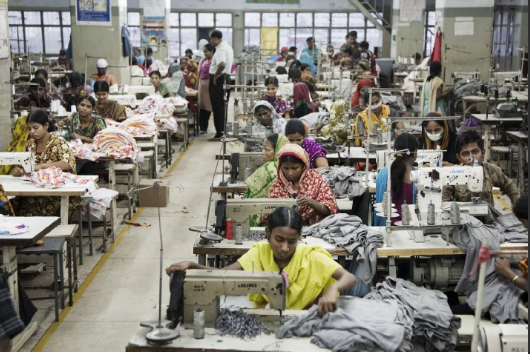
Image Credit: SquareSpace