
Glam Rock: How 70s & 80s Rockstars Broke Gender Norms In Fashion
By Sofia Gialourakis
Neon, big hair, and guyliner. When I think of the 70s and 80s rockstars this is what comes to mind. Glam Rock was a movement started in the seventies in Britain that emphasised a shocking and outlandish costume and appearance in rockstars. The more glamorous and over the top the better. Think David Bowie- who we will get into later. But where did this movement start and what were its influences? For that we can look back to the 1950s Elvis Presley. His outfits were bedazzled, shiny, and dramatic. Although Elvis did not invent ‘rock n roll’; it was born from the blues and gospel music of the African American community in America (for example; Chuck Berry, Little Richard, & Sister Rosetta Tharpe), Elvis being white made it more palatable for mass media consumption. His influence from African American artists is seen not only in his music but in his dress.
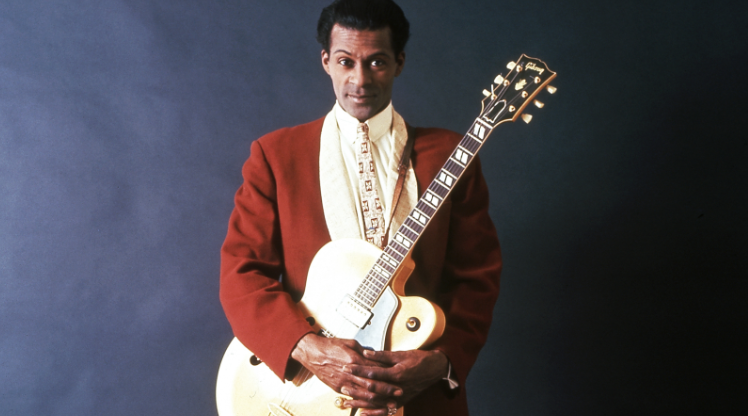
Image Credit: Rolling Stone
The 1950s saw the development of a youth-teenage culture, and with this development and with the influence of rock n roll artists, teenagers began experimenting with clothing. The new kinds of music, especially more edgier kinds inspired different fashion. People could communicate who they listened to by their clothes. In the 60s, fashion became countercultural in the rock scene. As the 60s hippie movement intersected with the protest against the Vietnam-American war and military involvement in foreign countries, many rockstars spoke for peace which their fans connected with. Combined with their fashion, youths began to dress to align themselves with views against war, capitalism, violence. In the 70s & 80s this would develop into the glam rock, theatrical outfits we remember. Fashion in the 70s and 80s went against established gender norms. Men wore crop tops and tights, women wore leather and boots. Glam rock emphasised freedom of dress and dressing creatively. It inspired many against the idea that a certain gender had to dress a certain way and that fashion is fun. As well as connecting fashion to social movements.
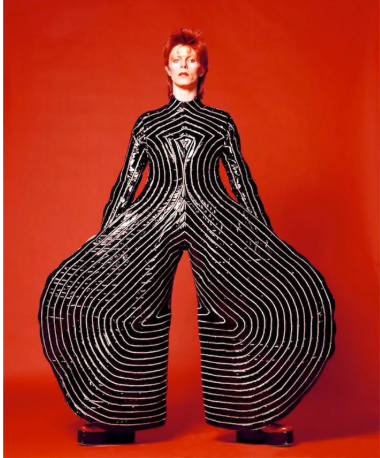
Image Credits: Rolling Stone
Can anyone discuss Glam Rock without talking about the impact of David Bowie? Early in his career Bowie began experimenting with womenswear and make-up. He didn’t view it as a ‘woman’ thing but a tool for expression and impact. Bowie brought androgyny to the mainstream with his avant garde style and makeup. Working with designer Kansai Yamamoto he created looks for his alter ego Ziggy Stardust and the Aladdin Sane era that would lead to the bridging of glam and rock. Bowie’s personal style would influence Jean Paul Gautier, Hedi Slimane, and Alexander McQueen. The key impact of Bowie was the idea of transformation. That gender isn’t a limitation for clothing. In fact you can transform yourself day to day, that change is allowed and freeing. For rockstars costume was a way to transform personality to a public character. Bowie’s style wasn’t all just bright colour and tight costumes, but he also was known for his tailoring. Bowie played around with his style and did not feel that they had to stick to one ‘aesthetic’. Or that he had to be loyal to a stereotypically more masculine or feminine style. He also normalised sexuality not having to be connected to clothing. In many old interviews journalists would question Bowie’s style and sexuality, which Bowies would intelligently shoot down or question them back. Why does what shoes or clothes someone wears make you question their gender or sexuality. Why do we have to connect clothes to that? Bowie has left a legacy of experimentation going further than gender and sexuality. It doesn’t matter or is anyone’s business what clothes you wear and what that means about you personally. Clothes and makeup go beyond that and are for fun, enjoyment, and personal freedom; away from rigid gender norms.
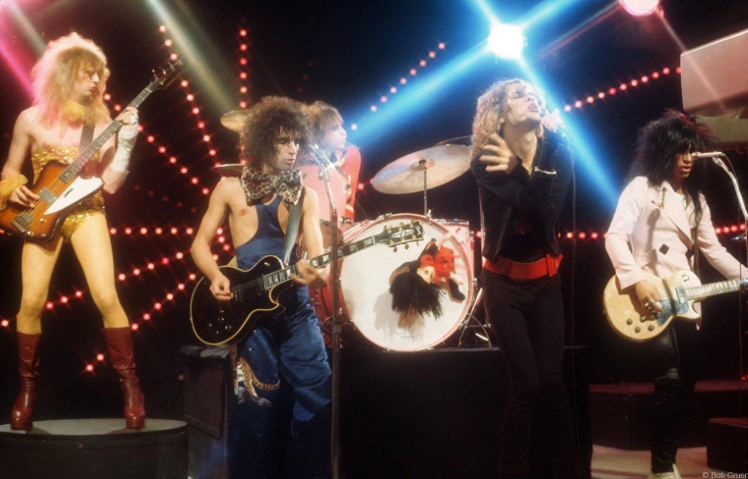
Rock bands made alternative fashion and owning your differences ‘cool’. It gives people a way to express themselves. Some of the ways people styled glam rock was through; Big hair, Tight clothes, Leather, Glitter, Colourful makeup, Neon, Cropped shirts, Animal print. Women particularly wore more ‘masculine’ styles; big jackets, studs, platform boots, all black, and what was deemed ‘unfeminine’. There are many bands and artists to take inspiration from but here is a small list: KISS, Mötley Crüe, Aerosmith, Joan Jett, Stevie Nicks, The Rolling Stones, Billy Idol, Blondie and Alice Cooper.
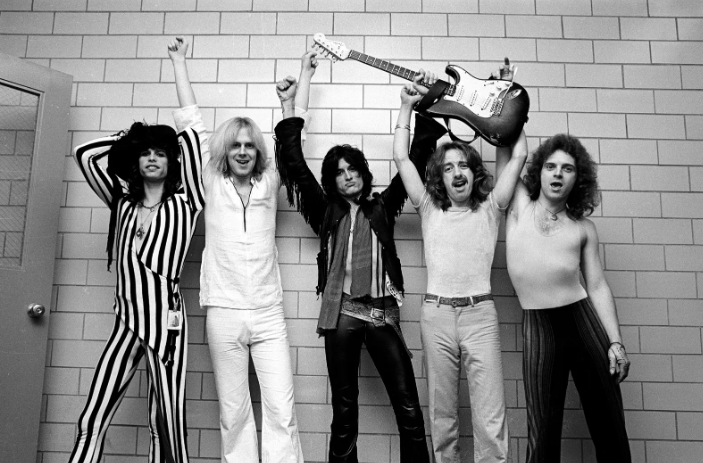
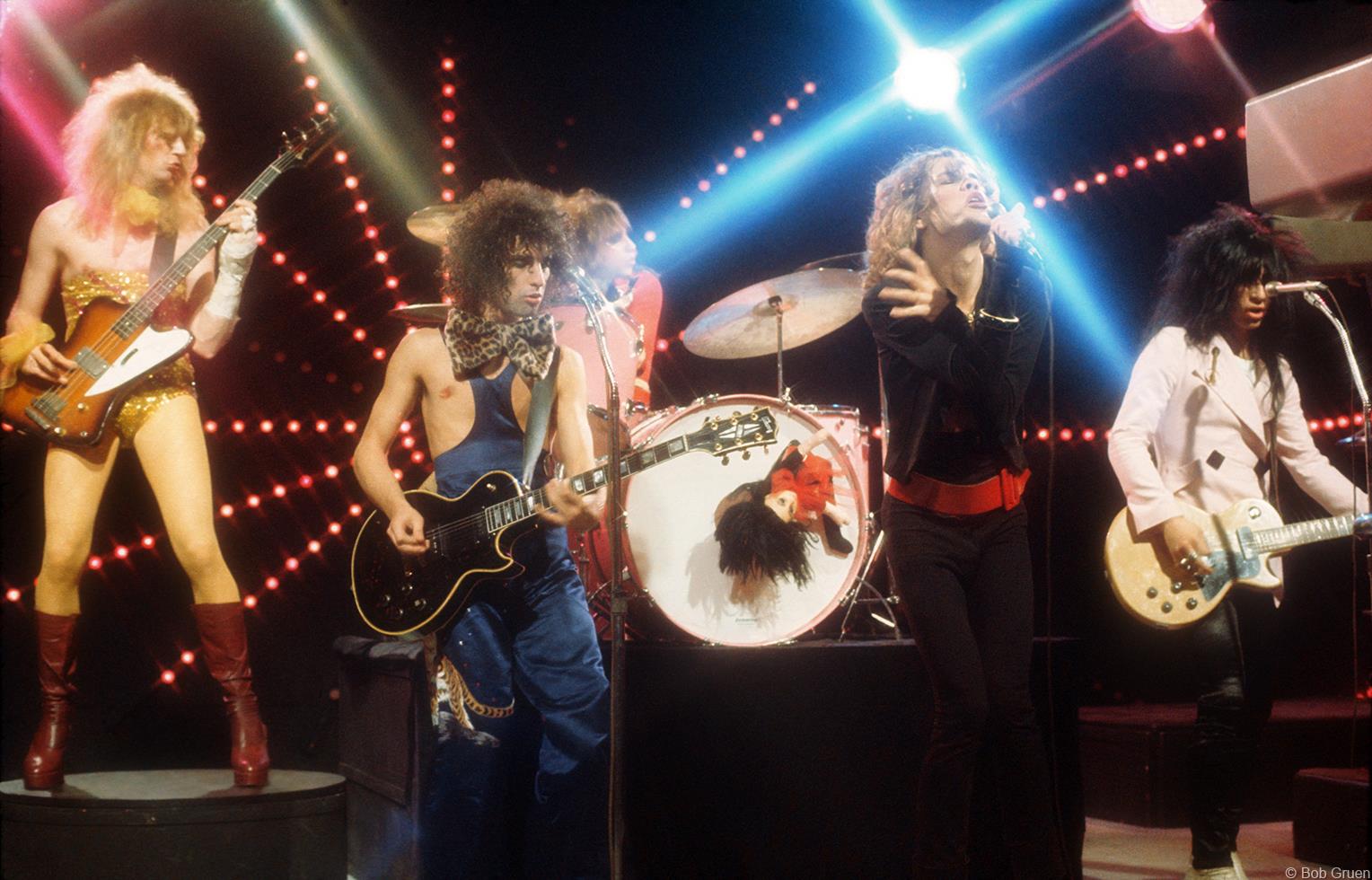
Image Credit: Rolling Stone
Fashion and music are greatly intertwined. We all take inspiration from our favourite artists. What their brand and clothing mean to us. Glam rock fashion inspired this countercultural, fun, and personal expression movement that is still influencing us today. Understanding the importance of dressing for yourself rather than others has allowed for innovation and creativity in the fashion space that previously rarely went against strict gender norms. The impact of these artists like Bowie, Madonna, and Mick Jagger, have given space for our and future generations to transform themselves and experiment with their own style without feeling the need to be confined to a certain aesthetic.