
Is the Victoria’s Secret Fashion Show “too” Inclusive Now?
By Ishani Raj
The Victoria’s Secret show collapsed in November 2018 after the company’s chief of marketing, Ed Razek, gave his infamous Vogue interview. He suggested the show didn’t cast trans women because “the show is a fantasy,” and doubled down by dismissing plus-size inclusion too, claiming they tried it in 2000 and “no one watched.” Those comments aged terribly, and the brand has been trying to outrun them ever since.
Since then, they’ve seemingly been making an active effort to rebuild. When the show returned in fall 2024, they cast a far more diverse range of models. Valentina Sampaio and Alex Consani became the first two transgender models to walk the Victoria’s Secret runway. In 2025, the show pushed the diversity narrative even further, featuring the first professional athletes on the runway, Angel Reese and Sunisa Lee. Jasmine Tookes opened the show while nine months pregnant in a sheer fishnet gown that highlighted her baby bump. Plus-size models like Ashley Graham and Devyn Garcia were part of the lineup as well.
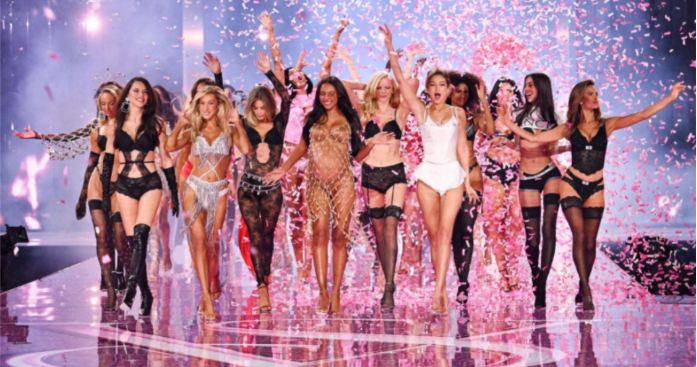
Image Credit: Harper’s Bazaar
But here’s the twist: a huge portion of the internet hated it. Netizens were angered and annoyed by the diversity of the models. They demand the standards to be unattainable and a “fantasy”, same as the early 2000’s VS Angel aesthetic: super tall, lean, and toned bodies.
“The inclusivity of the Victoria Secret stuff has gone too far, not that I even care to watch the show, it’s just all over everywhere. Half of you guys are not tall enough, you walk horribly, you don’t have a Victoria Secret OG angel body".” said a TikTok user.
This notion is obviously horrible and toxic. It raises a bigger question: Where are we headed as society today ? We talk about inclusivity and empowerment in all sectors, but the second a brand actually puts different bodies on a global stage, people refuse to accept it.

Image Credit: Reddit
The paradox is that Victoria’s Secret is still not inclusive because the brand is trying to layer “diversity” on top of their original skinny beauty ideal. Even after the rebrand, users complain that their in-store experience and sizing remain centred on the same thin, tall “fantasy” figure, making their inclusivity look inconsistent and performative. Competitors like Skims and Savage X Fenty offer real inclusivity in a way that feels embedded in every part of the brand, so VS’s changes come across as reactive and not genuine.
The real problem isn’t that Victoria’s Secret is being “too inclusive.” The real problem is that we’re still unlearning decades of conditioning around what beauty is supposed to look like, and a lot of people aren’t ready to let go of that.